 Dollar Locksmith Services

The call usually sounds practical, not panicked.
"Hey, the front door lock is acting up again".
Or, "We changed staff and I need to deal with the keys".
Or, "Can somebody come look at this before it turns into a bigger problem?"
That is how a lot of commercial locksmith work begins. Not with some giant security speech. Just a business owner, manager, superintendent, or office person who is already juggling ten things and does not want the lock situation becoming number eleven.
Dollar Locksmith Services has been working around Newark, NJ for more than 20 years, and business calls have their own personality. Less emotional than house lockouts. Less frantic than car calls. But the pressure is still there. A store has to open. A gate has to lock. An office has to make sense. If one door starts wasting time every day, people feel it. Fast.
That is why commercial locksmith work is not just about locks. It is about flow. Who can get in. Who should not. Which door always causes problems. Which key is still floating around from two employees ago. Which lock keeps getting "one more week" instead of getting fixed.
And yes, a lot of people start by searching locksmith Newark NJ or locksmith in Newark NJ, but what they really want is simpler than that. They want someone close, someone normal, someone who understands that a broken office lock at 8:10 in the morning is not a theory problem. It is a workday problem. That is why so many business owners end up looking for a local locksmith instead of a company that sounds big and vague.
Honestly, that makes sense. Newark is not a place where people want extra drama attached to basic maintenance.
That is the real version.
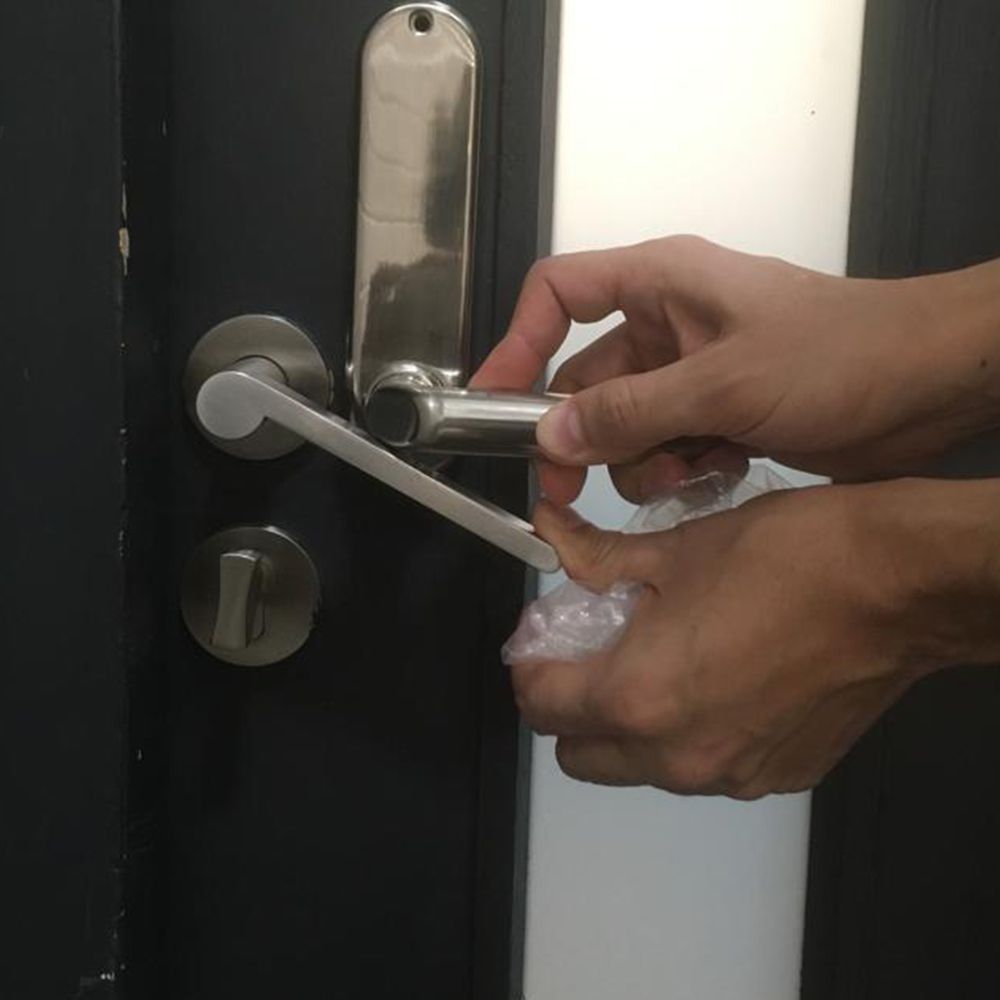
The front cylinder sticks and nobody wants customers seeing staff struggle with the door first thing in the morning. The back entrance does not latch cleanly unless someone pulls it hard. The gate lock feels cheap. The panic bar has been getting rough for months. A manager leaves, and suddenly there is that quiet question nobody loves asking out loud: how many keys are still out there?
That is commercial locksmith work in the way businesses actually live it. Not abstract. Not shiny. Day-to-day stuff that chips away at time and peace of mind until someone finally says, enough.
A lot of the better service calls happen before a full emergency. That is worth saying. A business does not need to be locked out at midnight for the issue to matter. If employees are wasting time on the same stubborn door every day, it matters. If a lock turns, but not well, it matters. If old keys are still active after staffing changes, that matters too.
Sometimes the smartest call is the boring one. Get ahead of it. Fix it before it gets more expensive. Tighten access before there is confusion. Replace the hardware that has clearly reached the end instead of making everybody fight with it for three more months.
Not always what the customer expected.
A shop owner might call because one lock is sticking. Then during the visit, the back door comes up. Then the side gate. Then the fact that the old assistant manager never returned a key. One simple issue opens the rest of the story. That happens all the time.
Same with office calls. Someone starts by asking about door lock repair, then the real conversation becomes key control, whether rekeying makes more sense than replacing, and which doors actually matter most. Warehouses, storefronts, mixed-use buildings, little offices above street-level businesses - they all have their own version of that same moment.
The work usually lands somewhere in this range:
That list is useful, but it still sounds cleaner than real life. Real life is the owner half-laughing because everyone in the shop has a different trick for closing the door. Real life is the manager saying, "I know we should have done this sooner". Real life is a lock that was fine until weather shifted, traffic picked up, or one more person forced the key the wrong way.
Probably because it is not flashy.
Businesses hear "change the locks" and picture a bigger expense than they want. Sometimes that expense is necessary. Sometimes it is not. If the hardware is still solid, rekeying can be the cleaner answer. New keys. Old keys no longer working. Same basic hardware, less uncertainty.
This comes up constantly after staffing changes. An employee leaves. A supervisor leaves. A contractor had access for a while. Nobody is saying anything bad happened. Nobody wants to wait around and find out either.
That is where experience helps more than a big sales pitch. A good commercial locksmith should be able to look at the entry points, hear the history, and tell you what is worth doing now. Maybe it is a full lock change on one important door. Maybe it is rekeying across the main access points. Maybe it is fixing the worst hardware first because the bigger problem is actually wear, not access.
Business owners usually appreciate practical advice. They are already paying for enough things.
That sounds odd, but it is true.
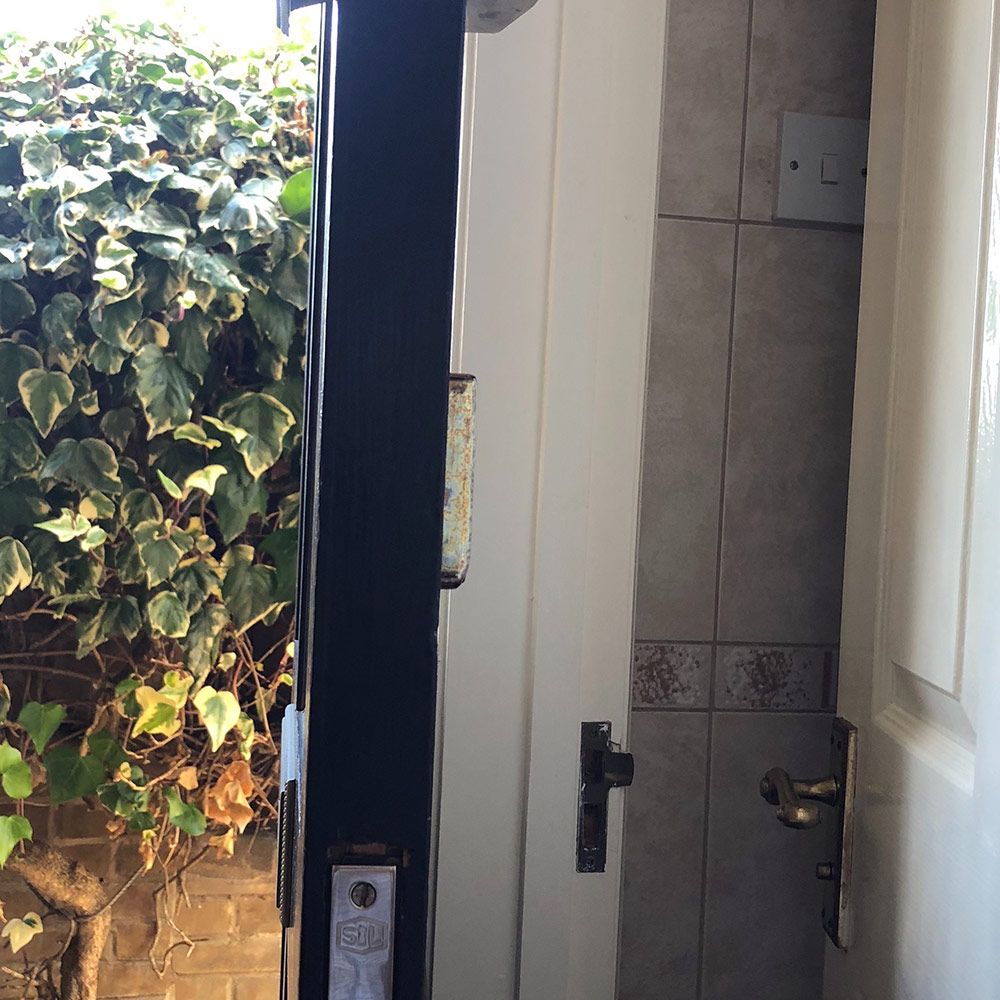
You can usually feel it. The lock turns with resistance. The latch drags. The key works, but only if you slow down and do it just right. Somebody has overtightened something. Somebody else sprayed the wrong thing into the cylinder three months ago. The door closes, but not cleanly. People stop noticing how bad it is because they built little habits around it.
Then a new employee comes in and cannot get the door to behave at all. Or the owner finally watches a customer wrestle with it. That is the point when an annoying little issue becomes a professional embarrassment.
Repair makes sense more often than people think. Not every commercial door problem means scrap everything and start over. Sometimes the hardware still has life in it. Sometimes the alignment is the bigger issue. Sometimes the cylinder is worn and the rest is fine. That is why a real look matters. Not guesswork. Not assumptions. Just somebody who has worked on enough business doors to know the difference.
Newark has plenty of doors like that, by the way. Older storefronts, mixed-use buildings, offices that got "updated" in pieces instead of all at once, properties where one entry got new hardware and the others were left behind. You see patterns after a while.
Not a lecture. Not a pile of options they will never use. Usually just three things.
First, they want the place secure. Obvious, but still true.
Second, they want daily use to be easier. No weird tricks, no sticking doors, no key that needs to be babied.
Third, they want to spend money in the right place, not everywhere at once.
That is why commercial locksmith work goes better when the conversation stays grounded. Which entrance matters most? Which hardware is actually costing time? Who still has keys? What can be repaired? What should be replaced before it fails at the worst possible time?
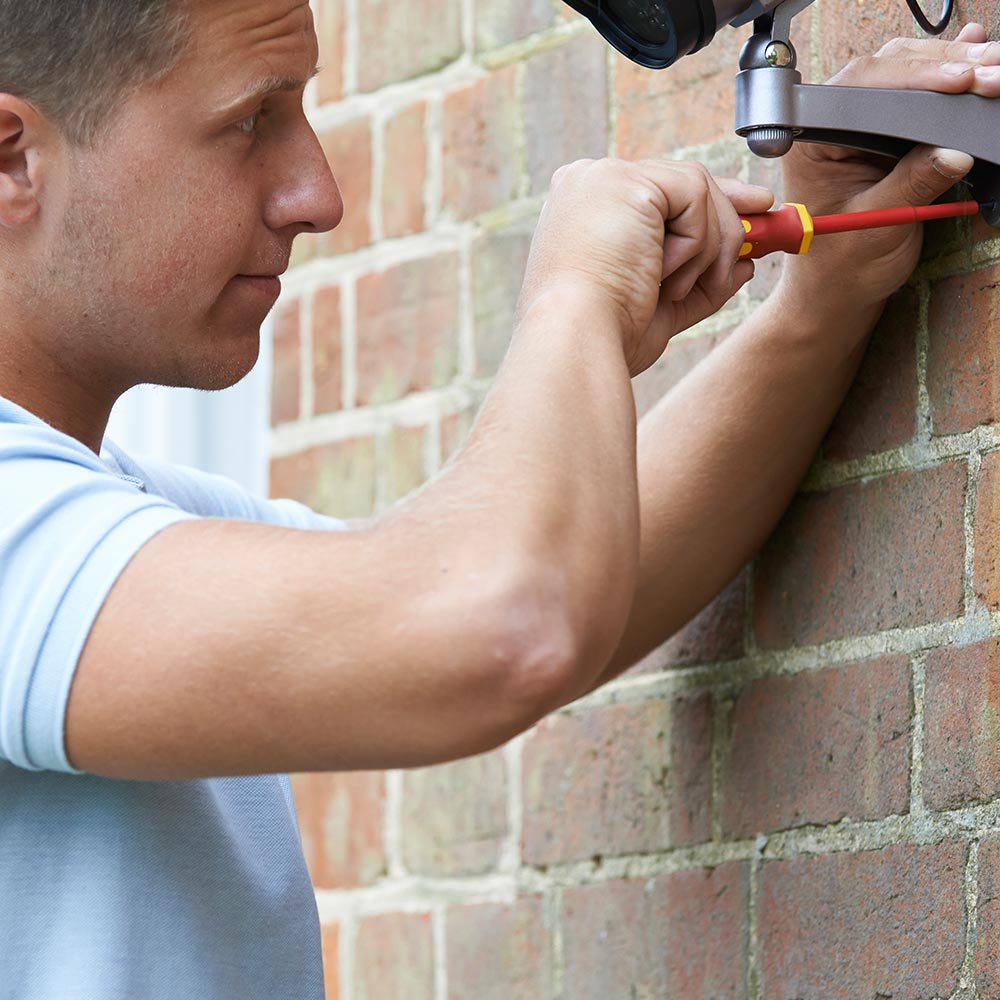
Some businesses also ask about added layers like security camera installation. Usually not out of nowhere. More like, "We keep meaning to do something by that back door", or, "The loading area has been bothering me". Those conversations are part of commercial security too, but they work best when tied to the real weak point, not some generic fear-based pitch.
Not in skill alone. In judgment.
Business properties get used harder. More traffic. More hands. More keys. More people forcing things when they are in a hurry. The front door on a busy Newark business goes through more in a week than some residential doors go through in a month. That changes what wears out first and what needs attention sooner.
It also changes the advice. A homeowner might live with a sticky lock for a while. A business probably should not. A family might share one spare key and make it work. A company cannot really run that way. Commercial hardware has to deal with repetition, rush, and the fact that not everybody using it is careful.
That is why a professional locksmith for business work needs to pay attention to use, not just the lock itself. How often is this door used? Who uses it? Is it customer-facing? Is it staff-only? Is the issue the hardware, the door alignment, the key control, or all of it mixed together? Those details matter more than people think.
Should we rekey or replace?
Can this lock be repaired?
How much does a locksmith cost for a business door?
Can you handle this without shutting us down for the day?
Should we do all the doors now or just the main ones?
Those are exactly the right questions. Commercial properties do not need vague answers. They need useful ones. The price depends on the hardware, the number of doors, the condition of what is already there, and whether the issue is access, wear, or both. One stubborn storefront cylinder is different from cleaning up key control for an entire small office. A rekey is different from new hardware. A repair is different from a panic device problem.
Still, most owners relax once the conversation gets specific. This door, this issue, this fix, this reason. Clear beats fancy every time.
That may be the best way to put it.
No big speech. No making the situation sound more complex than it is. Just a locksmith who shows up, understands how businesses actually run, and fixes what is getting in the way. Maybe that means rekeying before opening. Maybe that means dealing with the front lock that has been embarrassing the place for weeks. Maybe it is a gate, an office door, or the hardware everybody kept working around because they were too busy to stop.
That is the work. Dollar Locksmith Services has been doing it around Newark long enough to know that business owners usually do not want magic. They want things to work. Fair goal.
If your store, office, or commercial property has one of those doors everyone complains about, or the key situation has gotten messy, or the lock problem is no longer small enough to ignore, that is a good time to deal with it.